- April 2, 2026
- 6:56 am
Embark on a journey of educational discovery by creating your own Montessori toys! This guide explores the world of DIY Montessori toys, offering a practical approach to bringing the Montessori philosophy into your home. Discover how to craft engaging, educational toys using everyday items and simple techniques, fostering independence and creativity in your child.
Table of Contents
What are Montessori Toys?
Montessori toys are carefully designed tools that support a child’s development, following the Montessori principle of learning through exploration and observation. These toys often focus on sensory experiences, fine motor skills, and problem-solving, encouraging children to learn at their own pace. Popular Montessori materials include wooden toys, puzzles, and practical life items that promote hands-on learning and independence, guiding children towards self-discovery and a love for learning through interactive play.
Benefits of DIY Montessori Toys
Choosing DIY Montessori toys offers numerous advantages. In particular, it allows you to:
- Be cost-effective, providing tailored educational materials for your child.
- Foster creativity in both the maker and the child.
Moreover, you can carefully select safe materials and strengthen parent-child bonds through shared learning. Finally, these projects teach resourcefulness by repurposing everyday items.

How to Choose Materials for DIY Montessori Projects
Selecting the right materials is crucial. When choosing materials, prioritize natural and non-toxic options. Some excellent choices include:
- Wood
- Cotton
- Metal
Consider the sensory appeal of the materials; textures like sand, beads, and ribbons can enhance a child’s sensory exploration. Repurpose everyday items like jars, bottles, and cardboard boxes to create sustainable toys. When using paint or glue, ensure they are child-safe and non-toxic. With a little creativity, transform these simple materials into educational resources.
Popular DIY Montessori Toy Ideas
Creating Sensory Toys
Here are some ideas for creating engaging sensory toys. These toys will stimulate your child’s senses and encourage exploration. For example, you can easily prepare:
- Sensory bins filled with dried beans, rice, or sand. These bins offer tactile experiences and enhance sensory development.
- Sensory bottles filled with water, glitter, and beads, which allow children to observe and explore cause and effect.
Using containers of various sizes and textures will add depth to the sensory experience. By shaking and rotating the bottles, children also develop fine motor skills.
DIY Wooden Toys
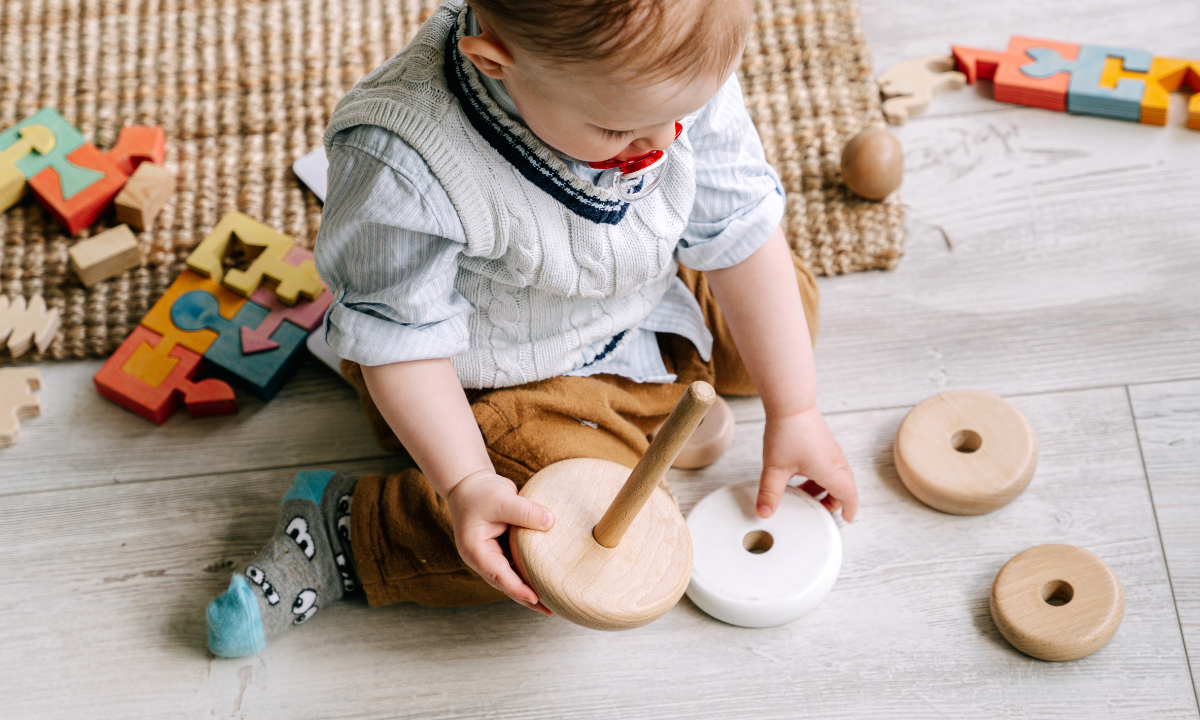
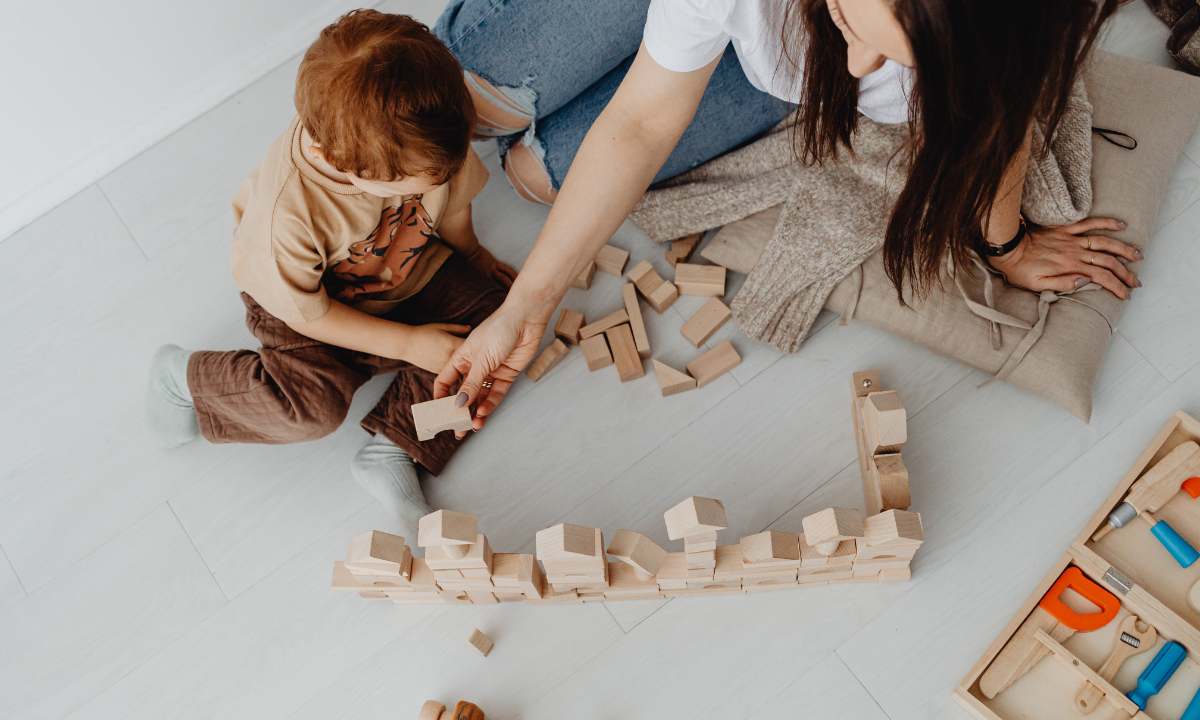
Crafting DIY wooden toys brings the warmth and natural beauty of wood into your child’s play and provides endless opportunities for open-ended play. Simple wooden blocks, puzzles, or stacking toys provide endless opportunities for open-ended play. Use scrap pieces of wood to create miniature furniture, cars, or animals. Ensure all edges are sanded smooth and finished with non-toxic material to keep the toys safe for your child. These Montessori-inspired toys foster creativity and problem-solving skills. Montessori-inspired
Using Common Household Items for Montessori Materials
Transforming everyday items into engaging Montessori materials is both resourceful and educational, encouraging children to see the potential in everything around them. Repurpose jars, bottles, and cardboard boxes to create unique playthings. A collection of safe kitchen utensils becomes a treasure basket for exploration. Pieces of cardboard can be transformed into puzzles and sorting trays. These DIY Montessori toys encourage children to see the potential in everything around them, reinforcing the Montessori principle of real-life learning.
Step-by-Step DIY Montessori Toy Projects
Making a DIY Matching Game
Crafting a DIY matching game offers a fun way to enhance your child’s cognitive skills, improve concentration and improve observation skills. Cut out pairs of images from magazines or print them from the internet. Glue each image onto a piece of cardboard. To make it more appealing and robust, you can use a sheet of laminate. The finished cards can be used for matching games, memory games, or sorting games; each game helps improve concentration and observation skills.
Crafting a Montessori Treasure Basket
A Montessori treasure basket is a sensory-rich collection of everyday items for your child to explore, promoting sensory exploration, fine motor development, and cognitive growth. Gather objects of different textures, sizes, and materials, like metal spoons, wooden blocks, and fabric scraps. Place the items in a basket or container and allow your child to freely explore the contents. This activity promotes sensory exploration, fine motor development, and cognitive growth. The treasure basket offers a safe and stimulating sensory experience.
Building a DIY Sorting Tray
Constructing a DIY sorting tray helps children develop sorting skills, fine motor coordination, problem-solving, independence, and concentration. Use a muffin tin or create compartments from a piece of cardboard. Gather a collection of small objects like beads, buttons, or pom-poms. Instruct the child to sort the objects into the different compartments based on color, shape, or size. This DIY project encourages problem-solving, independence, and concentration. These Montessori toys, which you can make with basic tools, provide valuable educational material.
Enhancing Learning with DIY Montessori Toys
Incorporating Beads for Fine Motor Skills
Incorporating beads into DIY Montessori toys enhances fine motor skills, precision, hand-eye coordination, visual tracking, and concentration. Stringing beads onto a shoelace or a piece of cardboard, for example, encourages precision and hand-eye coordination. You can also use beads in sensory bottles, where children can shake and rotate the bottle to observe the beads move through the liquid. This activity is not only engaging but also promotes visual tracking and concentration, making it a valuable addition to your collection of DIY Montessori toys and Montessori materials.
Using Pegs for Counting and Sorting Activities
Pegs are versatile materials for creating counting and sorting activities, adapting to different developmental stages and encouraging problem-solving skills. Craft a simple pegboard using a piece of cardboard and wooden pegs, then encourage your child to count and sort the pegs by color or size. DIY projects like this can be adapted to suit different developmental stages. You can also create matching games by painting the pegs and candle cups different colors, thus encouraging them to match the pegs to the correctly colored space, further developing problem-solving skills. These Montessori-inspired toys are both educational and fun.
Experiments with Shoelaces and Lids
Shoelaces and lids promote independence, problem-solving, fine motor skills, and practical life skills through hands-on experience. Cut holes into lids of different sizes and encourage children to thread shoelaces through the holes, thus developing fine motor skills. Use jars with corresponding lids for matching activities, helping children learn about size and shape permanence. These simple activities using everyday items encourage practical life skills and reinforce the Montessori principle of learning through observation and hands-on experience. This creates montessori materials and diy toys you can make easily.
Conclusion
DIY Montessori toys encourage creativity and foster independence, problem-solving skills, sensory exploration, and fine motor development. By providing them with open-ended materials like wooden blocks, beads, and cardboard boxes, you allow them to explore their imagination and create their own play scenarios. These DIY Montessori toys foster independence and problem-solving skills as children learn to manipulate and interact with their environment. The diy projects also encourage sensory exploration and fine motor development, making them an invaluable part of any Montessori-inspired learning environment.
Curious what the real classroom materials look like? Our Montessori curriculum page covers the five areas and the materials in each, and you are welcome to visit a classroom in Ajax or Oakville to see them in use.
