- February 6, 2026
- 10:13 am
Imagine a classroom environment where three-year-olds adeptly pour their own water, demonstrating independence and fine motor skills, while five-year-olds enthusiastically guide younger peers through complex math concepts, fostering a sense of leadership and collaboration. Learning unfolds organically, driven by the children’s innate curiosity rather than being confined to rigid schedules. This dynamic and nurturing setting is not a mere fantasy it’s the essence of Montessori education in practice. a revolutionary approach that’s been transforming how children learn for over a century.
Table of Contents
Montessori education treats children as naturally eager learners who thrive when given freedom within carefully prepared environments. Unlike traditional schooling with its teacher-led lessons and standardized timelines, this method allows children to choose their activities, work at their own pace, and develop intrinsic motivation. Research shows that students in Montessori programs demonstrate stronger creativity, social skills, and academic performance compared to their traditionally educated peers. However, many parents struggle to understand what makes Montessori truly different from other educational philosophies. The principles underlying this approach offer profound insights that can benefit any family, whether you’re considering a Montessori school or simply wanting to apply these time-tested methods at home.
Let’s explore the core principles that make Montessori education so effective.
Key Montessori Principles: A Comparative Overview
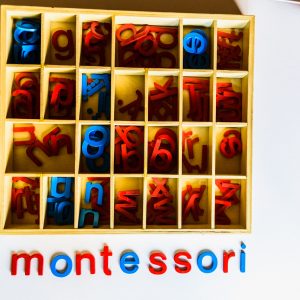
The Montessori method stands apart from traditional educational approaches through several core principles that fundamentally reshape how children learn. Unlike conventional classrooms where teachers direct instruction from the front, Montessori environments feature mixed-age groupings where children aged 3-6 learn together with older students naturally mentoring younger ones. Child-led learning represents perhaps the most striking difference. While traditional education follows rigid curricula and schedules, Montessori allows children to choose their own activities and work at their own pace. This approach recognizes that children are naturally curious and capable of directing their learning when given appropriate materials and environment.
The prepared environment distinguishes Montessori from standard classrooms filled with colorful decorations and teacher-made displays. Instead, Montessori spaces feature natural materials, child-sized furniture, and carefully selected learning tools that children can access independently. Every item has a purpose and place, creating order that supports practical life skills development. However, the most profound difference lies in the role of the teacher. Traditional educators typically lecture and correct, while Montessori guides observe and facilitate. This shift creates learning experiences where children develop intrinsic motivation rather than depending on external rewards and punishments.
These principles work together to create an educational foundation built on something revolutionary yet simple: genuine respect for the child’s natural development.
Respect for the Child: Foundation of Montessori
Respect for the child forms the cornerstone of all Montessori principles, fundamentally shifting how adults view children’s capabilities and potential. Unlike traditional approaches that see children as empty vessels to be filled, Montessori recognizes them as naturally curious learners with an innate drive to understand their world. This respect manifests in practical ways: allowing children to move freely, choose their activities, and work at their own pace. When a four-year-old spends thirty minutes perfecting how to fold napkins, adults resist the urge to hurry them along. Instead, they honor the child’s concentration and internal motivation.
Research supports this approach’s effectiveness. Studies show that Montessori students demonstrate stronger executive function skills compared to their traditionally educated peers, largely attributed to this foundation of respect that allows children to develop self-regulation naturally. This respectful relationship creates the foundation for all other Montessori elements to flourish, setting the stage for how the physical environment itself can support independent learning.
Prepared Environment: Enabling Learning
The prepared environment represents one of Montessori education’s most distinctive features, transforming traditional classroom concepts into carefully curated spaces that foster independent exploration. Unlike conventional classrooms organized around teacher-centered instruction, Montessori environments are intentionally designed to meet children’s developmental needs, and natural learning patterns. This environment goes beyond physical space to encompass everything from furniture height to material placement. Child-sized tables, accessible shelves, and thoughtfully arranged learning materials create a space where children can navigate independently without constant adult assistance. Research indicates that these environmental factors significantly impact learning outcomes and self-confidence development.
The prepared environment also extends to daily routines and practical life activities, where children engage with real-world tasks like food preparation and cleaning. This holistic approach creates a foundation where learning happens naturally, setting the stage for the structured freedom that defines Montessori’s approach to child autonomy.
Freedom Within Limits: Encouraging Autonomy
Freedom within limits creates the delicate balance that makes Montessori education so effective. This principle allows children to make meaningful choices while providing the structure they need to thrive. Unlike permissive parenting or rigid control, this approach gives children autonomy within carefully defined boundaries. The framework operates on respect for the child as a capable individual who can make appropriate decisions when given clear parameters. Children might choose which activity to engage with, how long to work on it, and where to sit in the classroom, but they cannot disturb others or misuse materials.
This balance develops crucial decision-making skills while maintaining order. Research indicates that children in environments with structured freedom demonstrate higher levels of self-regulation and intrinsic motivation compared to those in overly restrictive or completely unstructured settings. The beauty lies in how children internalize these boundaries, gradually developing the self-discipline that serves them throughout life. This foundational approach naturally leads to understanding how these principles manifest through specific developmental characteristics.
Understanding the 4 C’s of Montessori

The 4 C’s of Montessori – Character, Competence, Community, and Creativity form the foundation of how children develop in this educational approach. These interconnected elements work together to nurture well-rounded individuals who can thrive both academically and socially.
Character development happens naturally as children practice grace, courtesy, and respect for others in mixed-age environments.
Competence builds through hands-on learning experiences that allow mastery at each child’s individual pace.
Community aspect emerges from collaborative learning, where older students mentor younger ones, creating bonds that extend beyond the classroom.
Creativity flourishes when children have freedom to explore and express themselves through diverse materials and activities. During the critical period when a child’s absorbent mind is most active typically ages birth to six these four elements work synergistically to shape not just what children learn, but how they approach learning itself.
Research indicates that students in Montessori programs show enhanced creative thinking abilities compared to traditional educational settings. This comprehensive approach to child development ensures that learning extends far beyond academic subjects to encompass the whole child.
Understanding these principles helps parents see why Montessori educators focus on process over product, valuing the journey of discovery as much as the destination.
Explaining Montessori to Parents
When talking to other parents about Montessori, focus on the observable benefits rather than educational jargon. Start with what they’ll notice: children who clean up after themselves, solve problems independently, and show genuine curiosity about learning. The concept of sensitive periods often resonates well with parents explaining how children naturally gravitate toward specific skills at certain ages, like the toddler’s fascination with order or the preschooler’s hunger for language. Research shows that Montessori students demonstrate stronger executive function and academic flexibility compared to traditional education students.
Use concrete examples: “Instead of forcing all three-year-olds to practice writing letters, Montessori lets each child start when their hands are ready and they show interest.” This helps parents understand how the approach respects individual development while maintaining high expectations. Address common concerns directly such as cost, transition to traditional schools, or academic rigor. Point to authentic programs where parents can observe the methodology in action. However, every educational approach has considerations worth examining.
Limitations and Considerations
While Montessori education offers significant benefits, it’s important to understand its limitations, and consider whether it’s the right fit for your family. Implementation Quality Varies Significantly. Not all schools claiming to be “Montessori” follow authentic principles. Some lack properly trained teachers or mixed-age classrooms, while others don’t fully embrace the auto-education philosophy that allows children to direct their own learning. Research shows that parent understanding of authentic Montessori principles varies widely, making school selection challenging.
Transition Challenges May Occur. Children moving from Montessori to traditional schools sometimes struggle with rigid schedules, teacher-directed learning, and external rewards systems. The emphasis on intrinsic motivation can make standardized testing environments feel foreign.
Cost and Accessibility Issues. Quality Montessori programs often carry higher tuition costs, and finding authentic programs in your area may be difficult. This creates equity concerns about access to this educational approach.
These considerations don’t diminish Montessori’s value, but they help parents make informed decisions about what works best for their child’s unique needs and circumstances.
Montessori education offers a child-centered approach that naturally aligns with how children learn and develop. The core principles respecting the child, creating prepared environments, and following natural development stages provide practical guidance for any parent wanting to support their child’s growth.
