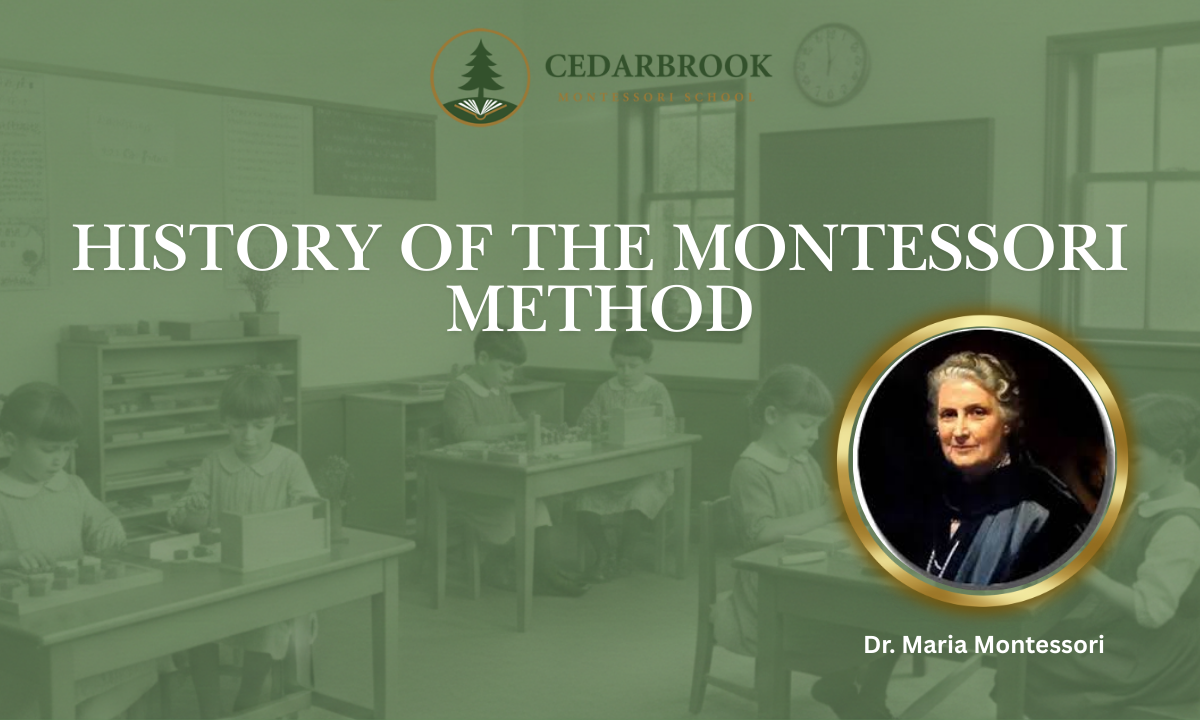
The Montessori Method has transformed early childhood education for over a century, offering a child-centered approach that nurtures independence, creativity, and lifelong learning. Understanding the remarkable history behind this educational philosophy helps parents recognize why it remains the gold standard for preschool education worldwide and how Dr. Maria Montessori’s groundbreaking vision continues to shape young minds today.
Table of Contents
The Revolutionary Mind of Dr. Maria Montessori
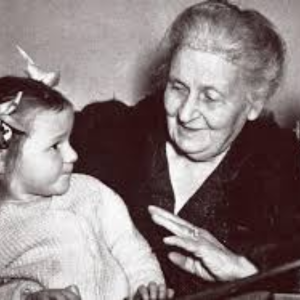
Dr. Maria Montessori was born in 1870 in Chiaravalle, Italy, during an era when women faced severe educational and professional limitations. Despite societal barriers, she became one of Italy’s first female physicians in 1896, demonstrating the determination and innovative thinking that would later define her educational approach.
Her medical training provided a unique scientific perspective on child development. Working with children in Rome’s psychiatric clinic, Dr. Montessori observed that youngsters previously labeled “unteachable” could learn remarkably well when given appropriate materials and environments, sparking her lifelong mission to revolutionize education.
The First Casa dei Bambini: Where It All Began
On January 6, 1907, Dr. Montessori opened the first Casa dei Bambini (Children’s House) in Rome’s impoverished San Lorenzo district. This wasn’t an elite institution but a childcare center serving working-class families, where she could test her revolutionary educational theories with children aged three to six.
The results astonished observers worldwide. Children once considered unruly became focused, self-disciplined learners who demonstrated extraordinary concentration and genuine enthusiasm for knowledge. News of these transformations spread rapidly, attracting international attention and establishing the foundation for Montessori Education as we know it today.
Core Principles That Changed Education Forever
Dr. Montessori’s observations led to several groundbreaking principles. She recognized that children possess “sensitive periods” windows of time when they’re naturally inclined to master specific skills. Her prepared environment concept created child-sized spaces where youngsters could independently explore specially designed materials.
The method emphasizes hands-on learning over passive instruction, respecting each child’s individual pace and interests. This child-led approach, combined with mixed-age classrooms and uninterrupted work periods, forms the backbone of the authentic Montessori curriculum still used globally.
Global Expansion and Lasting Impact
By the 1910s, Montessori schools were emerging across Europe and North America. Dr. Montessori herself traveled extensively, training teachers and lecturing on her methods. Despite facing challenges during World War II, when she lived in exile in India, she continued refining her philosophy and training educators.
Her influence extended beyond early childhood to elementary and even secondary education. Dr. Montessori’s legacy lives on through thousands of schools worldwide, each committed to fostering independent, confident, and compassionate learners who develop critical thinking skills and a natural love for discovery.
Why the Montessori Method Endures
Over 115 years after the first Casa dei Bambini, the Montessori Method remains remarkably relevant. Modern neuroscience has validated many of Dr. Montessori’s observations about how children learn best. Research confirms that hands-on exploration, self-directed activity, and multi-sensory experiences create optimal conditions for brain development.
The method’s emphasis on social-emotional learning, executive function development, and intrinsic motivation addresses challenges facing today’s children. Parents seeking alternatives to traditional education increasingly turn to Montessori programs that honor their child’s natural curiosity and developmental timeline.
Choosing Authentic Montessori for Your Child
When exploring Montessori options, parents should seek accredited programs with certified teachers who truly understand Dr. Montessori’s vision. Authentic environments feature mixed-age classrooms, three-hour uninterrupted work cycles, specially designed Montessori materials, and educators who serve as guides rather than traditional instructors.
For families in the Durham Region seeking the best Montessori preschool Ajax has to offer, finding a program that maintains these standards while creating a nurturing community is essential. The right environment should feel warm and inviting while providing the structured freedom that allows children to flourish.
Experience Dr. Montessori’s Vision at Cedarbrook
At Cedarbrook Montessori School, we honor Dr. Maria Montessori’s original vision while meeting the needs of contemporary families. Our carefully prepared environments, certified educators, and authentic curriculum create the ideal setting for your child’s developmental journey.
We invite you to discover how Montessori education can benefit your family. Learn more about our comprehensive programs and our approach to early childhood development through our admissions process. Our dedicated team is ready to answer your questions and schedule a tour where you can observe our classrooms in action.
