Early childhood is one of the most important stages in a child’s development. During these formative years, children build the emotional, social, cognitive, and physical foundations that shape who they become. As parents, choosing the right learning environment during this time can feel overwhelming but it also presents a powerful opportunity.
Table of Contents
This is where Montessori Education stands apart. Designed to support natural curiosity, independence, and joyful learning, Montessori education provides children with the tools they need to grow confidently, both academically and emotionally.
In this guide, we explore the key benefits of Montessori education for early learners and why more families are choosing Montessori over traditional schooling.
What Is Montessori Education?
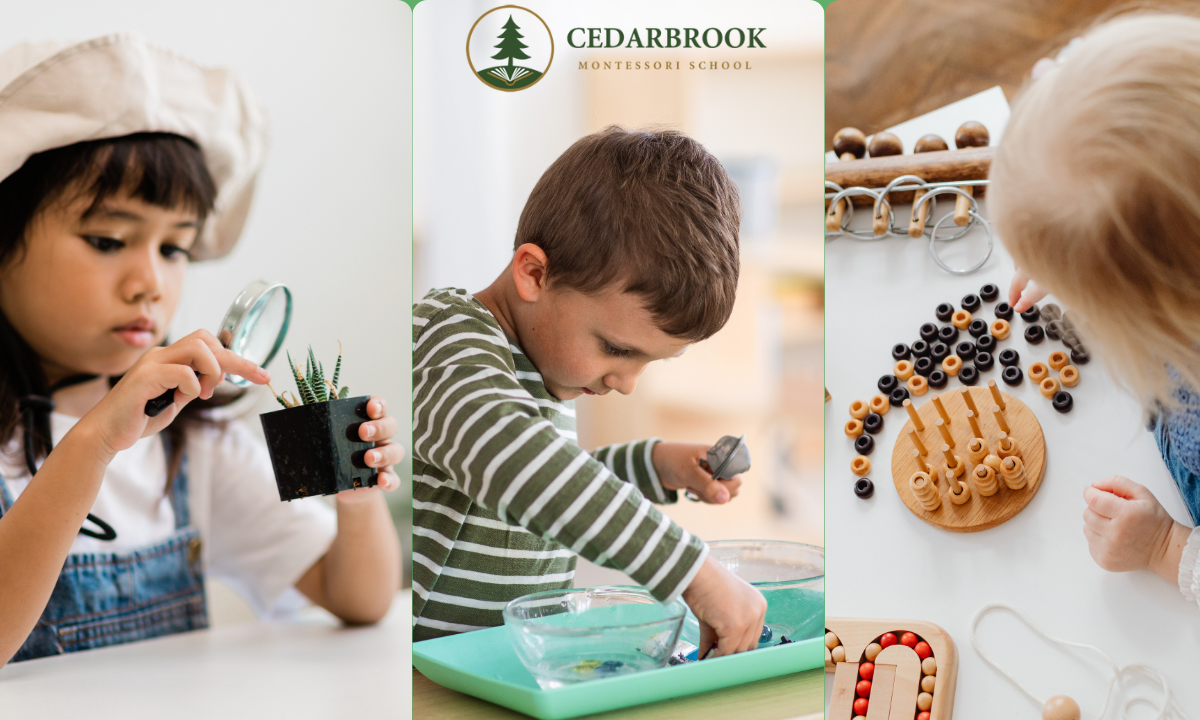
Montessori Education is a child-centered approach to learning that focuses on independence, hands-on exploration, and individualized instruction. Instead of traditional lectures and rigid schedules, children are encouraged to explore carefully prepared learning materials at their own pace.
To fully understand this philosophy, it helps to explore the History of the Montessori Method. Developed by Dr. Maria Montessori in the early 1900s, this approach was built on scientific observation of how children naturally learn. Her findings revealed that children thrive when given freedom within structure and over a century later, her principles remain highly effective. Montessori classrooms are calm, engaging environments where children develop concentration, responsibility, and a love for learning all essential traits for long-term success.
Why Early Childhood Years Matter So Much
The early years of life are when the brain develops most rapidly. Research shows that children absorb information, behaviors, and emotional responses faster during this stage than at any other time.
A high-quality early learning environment can:
- Strengthen emotional resilience
- Improve language development
- Support healthy social behavior
- Enhance cognitive abilities
- Build lifelong learning habits
Montessori education is designed specifically to support these developmental milestones, making it an excellent choice for early learners.
Key Benefits of Montessori Education for Early Learners
1. Encourages Independence from an Early Age
One of the most noticeable benefits of Montessori learning is how quickly children develop independence. From simple daily tasks like pouring water or organizing materials to choosing their own work, children gain confidence in their abilities.
This independence builds:
- Strong decision-making skills
- Responsibility
- Self-discipline
- Problem-solving abilities
Rather than depending constantly on adults, children learn to trust themselves a skill that benefits them for life.
2. Builds Confidence and Self-Esteem
Montessori classrooms are designed to remove unnecessary pressure and competition. Children progress at their own pace, which allows them to master concepts fully before moving on.
This creates a learning experience filled with success, not frustration. As a result, children develop:
- Healthy self-esteem
- Emotional resilience
- Confidence in learning
When children feel capable, they become eager learners rather than reluctant participants.
3. Develops Focus and Concentration
Unlike traditional classrooms, where learning is frequently interrupted, Montessori classrooms allow children to engage deeply in their chosen activities. This uninterrupted work time helps develop focus, patience, and attention span.
Over time, children naturally learn to:
- Stay engaged for longer periods
- Complete tasks independently
- Develop strong concentration skills
These abilities prepare them for future academic success and real-world challenges.
4. Supports Emotional and Social Development
Montessori classrooms often feature mixed-age groupings, which promote collaboration, empathy, and leadership. Younger children learn by observing older peers, while older children develop responsibility and compassion by guiding others.
This environment naturally encourages:
- Kindness
- Cooperation
- Respect
- Emotional awareness
Children learn how to resolve conflicts peacefully and communicate effectively essential life skills that extend far beyond the classroom.
5. Strengthens Academic Foundations
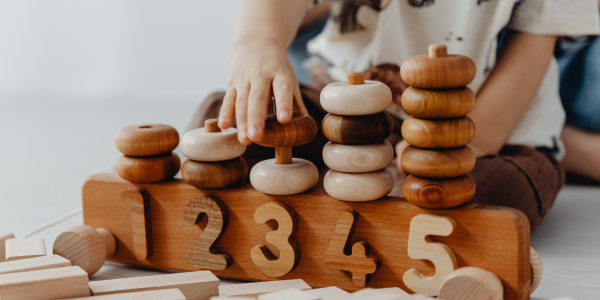
Montessori materials are designed to teach complex concepts through hands-on experience. Subjects such as math, language, science, and culture are introduced using concrete learning tools before moving into abstract thinking.
This approach allows children to:
- Truly understand concepts
- Retain information longer
- Develop critical thinking skills
- Enjoy academic exploration
The result is strong academic readiness without academic pressure.
6. Encourages a Lifelong Love for Learning
Perhaps the greatest benefit of Montessori education is that it nurtures curiosity. When children are allowed to explore topics that genuinely interest them, learning becomes joyful rather than forced.
This intrinsic motivation creates:
- Enthusiastic learners
- Creative thinkers
- Curious problem-solvers
Children raised in Montessori environments often carry their love of learning well into adulthood.
Montessori vs Traditional Education: Which Is Better for Young Children?
When comparing Montessori vs Traditional Education, the differences become clear.
Traditional education often follows a fixed curriculum, group instruction, and standardized testing. While this structure works for some children, others may feel overwhelmed, bored, or disengaged.
Montessori education, on the other hand, offers:
- Personalized learning
- Flexible pacing
- Hands-on experiences
- Emotional development alongside academics
For early learners especially, Montessori provides a nurturing, stress-free environment that supports natural development making it an ideal choice for families seeking holistic growth.
Smooth Learning Transitions: Pre-Casa to Casa Programs

One of the most critical stages in early learning is the transition from toddler programs into structured education. High-quality Pre-Casa to Casa Transition Programs help children move smoothly into more advanced Montessori classrooms.
These programs focus on:
- Building independence
- Strengthening communication skills
- Developing emotional confidence
- Introducing structured routines gently
A well-designed transition program ensures children feel comfortable, secure, and excited as they take the next step in their educational journey.
Why Parents Choose Cedarbrook Montessori Schools in Ajax
Families today seek more than academics they want a nurturing, safe, and engaging environment where children feel supported and inspired every day. This is why so many parents exploring Montessori programs in Ajax choose Cedarbrook Montessori School. As a trusted option for the Best Montessori School in Ajax, Cedarbrook offers a balanced learning experience that blends strong academics with emotional development, social growth, and hands-on exploration. Our experienced educators provide individualized attention, ensuring each child builds confidence, independence, and a genuine love for learning in a warm and welcoming setting.
Montessori programs in Ajax and surrounding areas are known for offering:
- Certified educators
- Purpose-built learning environments
- Small class sizes
- Personalized learning plans
- Strong parent-school partnerships
Together, these factors create an exceptional foundation for early learners.
Montessori education nurtures independence, confidence, and a lifelong love for learning from an early age. By combining hands-on experiences, personalised guidance, and emotional development, it creates a strong foundation for your child’s future. Choosing Montessori means choosing a supportive environment where your child can grow, explore, and thrive every day.
